Kitchen renovation work significantly influences daily life, transforming the way we live in our homes. A carefully mapped-out renovation enhances functionality, storage, and overall style. Even small upgrades, such as new hardware and fresh paint, can noticeably refresh the kitchen. More extensive contractors for kitchen remodeling Seattle WA might involve structural changes, such as installing new cabinets and higher-end finishes.
Getting started should begin with a thorough evaluation of the current layout, lighting, storage options, and movement paths. This assessment is critical in determining if you should stick with the existing layout or pursue layout adjustments. Common remodel elements include cabinet updates, replacing countertops, backsplash upgrades, flooring updates, lighting upgrades, appliance upgrades, and ventilation improvements.
Collaborating with Renovate Builders provides a design-first approach, tight budget control, and code compliance. Their specialists carefully balances the balance between creative kitchen remodel ideas and practical time and cost boundaries. This process guarantees a space that not only enhances everyday usability while also improving overall property value.
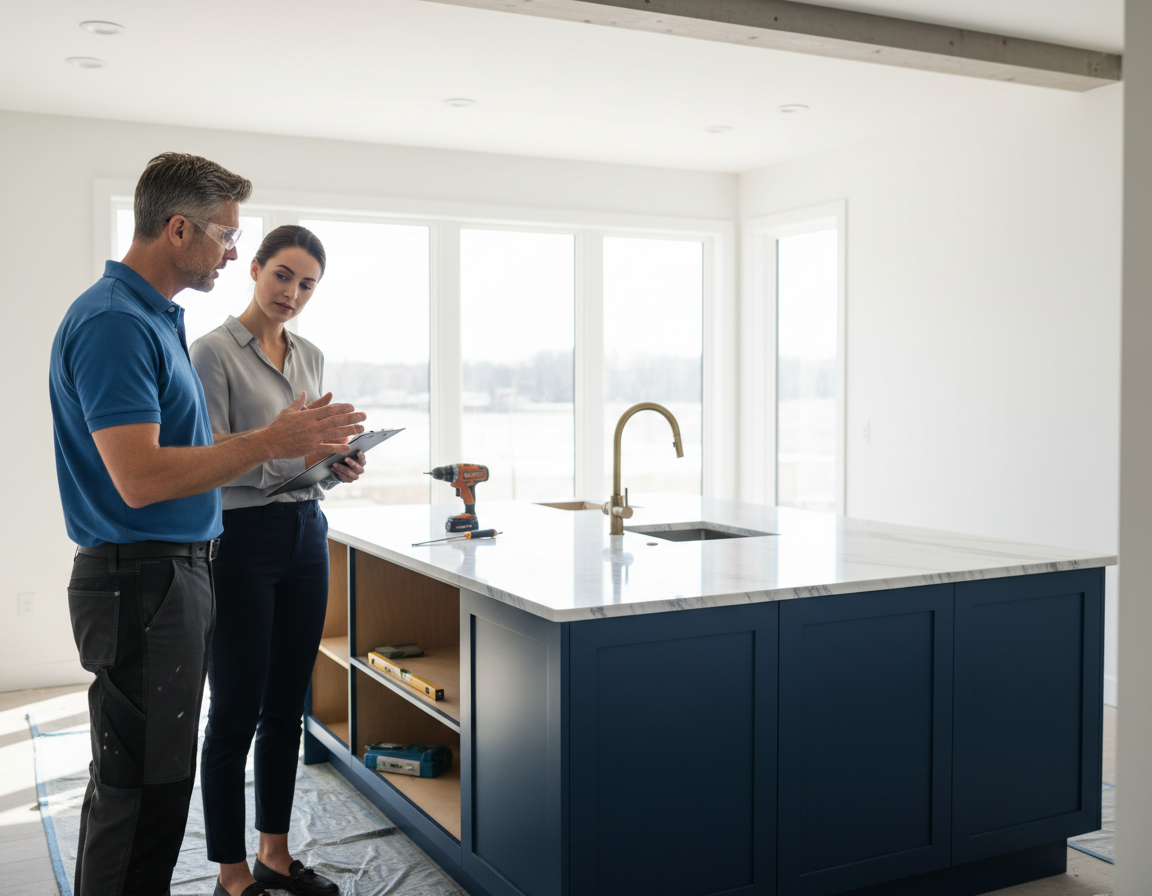
Key Highlights
- Kitchen renovation upgrades everyday life while increasing buyer appeal.
- Renovations often span from cosmetic refreshes through to a full kitchen rebuild.
- Kick off by evaluating layout footprint, storage options, the lighting, plus traffic flow.
- Common scopes include cabinetry, counters, floors, lighting upgrades, and appliances.
- Use Renovate Builders to balance design, costs, plus compliance with codes.
Why A Kitchen Remodel Adds Value To Your Home
Investing in kitchen renovation can deliver strong returns for many homeowners. A well-planned kitchen upgrade can enhance resale value and daily life quality. Upgrades that renew cabinets, counters, and appliances typically appeal to home buyers and can provide solid ROI.
ROI and resale appeal
Prospective buyers typically prioritize modern and functional kitchens when evaluating offers. A mid-range kitchen renovation using durable, neutral finishes can expand the buyer pool. Choosing energy-saving appliances and solid-surface worktops maintains resale value without overspending.
Daily benefits beyond resale
A kitchen upgrade can also boost day-to-day efficiency. Upgrades like pull-out shelving, tall pantries, plus improved organisation streamline busy mornings. Upgraded lighting and newer appliances reduce utility bills and improve usability.
Case examples and realistic expectations
Actual remodel projects highlight practical ways to impact your kitchen. One project used a pull-and-replace approach to maintain the plumbing and electrical, leaving more budget for high-impact finishes. Another remodel tidied up odd angled cabinets and added full-height subway tile to modernize the room without changing the structure.
Renovation costs can vary a lot. Minor remodels often run $5,000–$15,000, while full remodels frequently surpass $25,000–$50,000 when including structural changes or high-end materials. Plan for additional costs for permits, unexpected repairs like mold dated wiring, plus debris and waste removal.
Renovate Builders provides clear cost estimates and guides choices to improve overall improvement value. Their site consultations help set practical timelines and prioritize upgrades that deliver the right mix of everyday benefit plus long-term buyer appeal.
Planning Your Kitchen Remodel: Goals, Budget, And Timeline
Before commencing demolition, evaluate your kitchen’s present usability. Review layout performance, storage, lighting coverage, where appliances sit, and traffic flow. Identify what needs improving, such as a tight island or a refrigerator that’s hard to reach. Also identify items worth retaining, such as serviceable appliances, sound walls, and existing plumbing/electrical to reduce costs.
Evaluating Your Current Kitchen
Do a careful walkthrough with a checklist. Check spaces around the cooktop, sink, and refrigerator. Review cabinet storage capacity for depth and accessibility. Analyze how lighting affects work zones. Consider small changes to improve usability, like turning upper cabinets into open shelves or swapping a peninsula for an island.
Setting A Realistic Budget And Priorities
Define a target budget for the project. Most budgets range from $5,000–$15,000 for basic updates through to $25,000–$50,000+ for premium renovations. Focus on high-value investments like cabinets, countertops, and durable flooring.
Look into pricing for different cabinet types plus countertop choices. Account for local installation costs and set aside contingency funds for unforeseen costs. Doing this helps you control spending.
Note cosmetic elements you can postpone, such as a feature backsplash specialty lighting fixtures. This strategy helps you prioritise must-do upgrades without stretching the budget too far.
Building A Timeline With Renovate Builders
Break down the work into phases: design, permitting, demo, plumbing/electrical setup, installation, and finishing touches. Renovate Builders coordinates the timeline and helps ensure steady progress.
Use smart tactics to streamline the project. Keep major appliances in place to prevent costly reconnections. Explore a pull-and-replace approach to reduce structural changes. Time purchases around sales events to stretch your spend.
Clear milestones and checkpoints and good communication are critical for hitting deadlines and adapting to unexpected issues. With solid planning, a practical budget, and a structured timeline, your remodel can be a success.
Creating An Efficient Layout That Fits Your Lifestyle
Begin by considering your daily kitchen usage. A purposeful layout enhances cooking, entertaining, and quick weekday routines. It shapes storage options, prep surfaces, plus traffic flow, ensuring a smooth, natural experience as you renovate.
Each floor-plan style brings unique benefits, shaped by kitchen size and how you live. Select a layout that harmonizes with the flow of your home and how you move while cooking for maximum function within a modern kitchen design.
Common Layouts And How To Choose
A U-shaped layout optimises countertop and cabinet space. It’s great for anyone who values prep zones and storage and don’t want an island.
The L-shaped plan works well for open-plan homes. Add an island to create a social centre without losing an efficient prep-and-cleanup flow.
A galley layout excel when space is tight. Using strategic storage and uncluttered paths, they can support two cooks seamlessly.
A one-wall kitchen are ideal for studios or narrow homes. Incorporate vertical storage solutions and smart organisers to enhance storage capacity.
Island-centric designs deliver seating space and prep zones. Go this route if you entertain often and social cooking are top priorities to create a custom kitchen feel.
Work Triangle And Kitchen Zones For Efficiency
Place the sink, cooktop, and fridge to form a compact, unobstructed triangle. Target quick paths between these points minimise steps.
Organise the room into zones: prep, cook zone, cleanup, storage, plus consumables. Set up each zone with the appropriate surfaces and storage—deep drawers for pots and pans, slide-out pantry shelves for dry goods.
Add small task stations like a coffee nook or breakfast niche. These stations enhance everyday routines and reduce cross-traffic in peak morning hours.
Keeping Or Changing The Footprint
Keeping the existing footprint lowers costs and can avoid major permits. A pull-and-replace remodel focuses on surfaces and fixtures, while leaving plumbing and electrical in place.
Changing the footprint creates new possibilities but increases both cost and timeline. Removing a wall to join a 12×10 kitchen to adjacent space can create a roomy 26×12 space, great for hosting and adding an island.
Moving appliances into old pantry space can improve flow while freeing up work zones. Balance potential hidden repairs and structural work against lifestyle gains before deciding.
Utilize these choices to create a practical modern kitchen design that matches your routines. Thoughtful decisions about layout, zones, and footprint lead to a custom kitchen that is both aesthetically pleasing and functional.
Kitchen Remodeling: Choosing Materials, Finishes, And Features
Material selection is critical in defining style and performance of your kitchen. Choose durable surfaces where there’s heavy use while incorporating signature details to imbue the room your personal style.
Cabinetry choices span from budget-friendly stock cabinets to custom designs built for unique layouts. Semi-custom options serve as a middle ground, mixing customisation with affordability. Budget-friendly alternatives often include refinishing or repainting existing cabinets, or using trim to upgrade the look of stock units.
When the kitchen is small, well-planned storage solutions matter most. Incorporate pull-out shelves, deep drawers for cookware, and tall pantry cabinets for bigger storage needs. Additional features such as built-in spice racks, cutlery/utensil dividers, and under-sink organizers improve function. Ceiling-height cabinets and curated open shelves make the most of available space while offering easy reach to essentials.
Countertops are available in many materials, to suit different budgets and lifestyles. Quartz is a popular choice because it’s low-maintenance and nonporous, great for contemporary kitchens. Granite and marble deliver a natural-stone look but require more upkeep. For tighter budgets, laminate, butcher block, tile, and stone remnants can offer a stylish, affordable option.
Backsplashes adds visual interest but also protects your walls. Opt for full-height subway tile to visually increase the sense of height. Patterned tiles, such as Moroccan patterns, can become a visual focal point behind the cooktop. Porcelain tile that mimics marble deliver a luxe look for less. Factor in the grout color and sealant to reduce maintenance later.
Choosing flooring has a big effect on both warmth and durability. Hardwood or engineered wood provide a timeless warm feel. Tile and wood-look porcelain work well for areas exposed to moisture. Laminate or vinyl can imitate wood or stone on a smaller budget, which makes them a budget-friendly option. Pick flooring based on how you move through the space plus cleaning needs.
Wall colours and cohesive finishes matter to creating a unified look. Soft neutrals like white, light gray, and pale blue can help make a room appear larger. Two-tone cabinets, with lighter perimeter cabinets and a darker island, adds modern contrast. Statement hardware in brass or matte black, combined with a painted range hood or stainless open shelves, helps bring the look together.
When selecting features, focus on features that deliver long-term durability. Spend on countertops and cabinet fronts where wear shows the most. Budget for styling elements like feature lights open shelves to maintain a balanced budget. Choosing stock cabinets with custom panels or paint can achieve a premium look without a huge cost.
Smart Lighting, Appliances, And Today’s Modern Kitchen Trends
Enhancing a remodel with proper lighting and the right appliances turns it from basic to brilliant. Proper lighting ensures safe movement and highlights important zones. Energy-efficient appliances can cut utility costs and make cooking easier. This guide helps you blend smart lighting with energy-saving appliance choices to create a unified modern look.
Layered lighting design, mixing ambient + task + accent lighting, covers everything. Recessed ceiling lights deliver overall light. Under-cabinet LED strip lights and island pendants offer focused task lighting. Feature lighting in toe-kicks and cabinetry accent materials and create depth.
Zoned lighting with dimmers make it easy for fast mood changes. Bright task lighting improves meal prep and safety. Soft accent light create a cosy atmosphere for nighttime get-togethers. This approach supports daily cooking and hosting.
Choosing appliances affects both cost and style. Select ENERGY STAR-rated refrigerators, dishwashers, and ranges to reduce energy use. Bosch or GE Profile models offer a seamless look. Refacing existing cabinetry or timing appliances around sales can stretch the budget.
Connected features provide extra convenience. Wi-Fi-enabled ovens and connected fridges from Samsung or LG make it possible for remote preheating and grocery tracking. Compare smart features with long-term payoff plus repairability. Some features are worth it for every remodel.
Today’s trends favour minimalism with mixed materials. Two-tone cabinetry, open shelving, and full-height backsplashes are popular. Statement hoods with custom timber covers create a bold focal point. Eco-friendly options including bamboo and recycled glass complement durable quartz counters and porcelain tile that mimics marble.
Even smaller changes can significantly enhance a kitchen. Painting cabinetry can update midcentury-style kitchens. White upper cabinets help with visual openness. Swapping a peninsula for an island improves movement in open plans. A custom hood can become the anchor for the space and support other modern updates during a kitchen upgrade.
- Layered lighting setup: recessed + under-cabinet + accent LEDs
- Appliances: choose ENERGY STAR and consider integrated panels
- Materials: quartz counters, porcelain floors, reclaimed wood accents
- Connected options: Wi-Fi ovens and connected refrigerators for everyday convenience
Budget-Friendly Kitchen Upgrade Strategies
Choosing smart updates makes a budget kitchen update into a thoughtful endeavor, not just cutting corners. Simple strategic updates can significantly alter the kitchen’s style and usability, all while keeping costs manageable. Focus on updates that deliver the strongest impact before you pursue major footprint or systems changes.
High-Impact Budget Updates
Repainting cabinets or walls can quickly update a room for a fraction of the cost of replacing everything. Replacing old knobs and pulls with modern hardware can also create a consistent look. Stick-on backsplash tile offer fast impact with minimal effort and cleanup.
Adding under-cabinet lighting helps brighten prep zones, while installing new light fixtures, such as simple pendant lights, can anchor the look. Selective counter upgrades in high-visibility spots, such as an island prep area, can change how the kitchen feels without replacing every surface.
When To Paint, Reface, Or Replace
Choose refinishing or repainting when the cabinet boxes are in good shape and only the faces look tired. Refacing doors and drawer fronts provides the appearance of new cabinets within a tight budget. Do full cabinet replacement if you need a new layout, severe water damage exists, or you want maximum longevity.
Apply similar logic with counters. Use overlays or refinishing kits for short-term savings. Choose a complete replacement for a long-lasting surface such as quartz or granite to improve resale value and everyday usability.
Smart Timing And Sourcing
Purchase during big sale periods including Black Friday, Memorial Day, and end-of-season clearances to extend your budget. Check stone yards for remnant pieces if you want quartz or granite; these pieces often fit islands or short counter runs at big discounts. Outlet stores and manufacturer clearances can deliver appliances at reduced prices.
Explore reclaimed wood or salvaged tile for character accents that save money while adding character. Keep big appliances in place to prevent costly utility rerouting. Choose stock or RTA cabinets for major savings, and allocate more funds to durable items like countertops and quality cabinet fronts.
DIY Versus Hiring Pros
Handle painting peel-and-stick backsplash installation, plus hardware updates as DIY jobs to save on labor. Outsource plumbing/electrical to licensed professionals to meet code and avoid costly mistakes. If you’re unsure, hire a qualified contractor for structural, gas, or tricky appliance installs.
Create a realistic mix of DIY work and professional work to achieve your timeline and quality goals. That balance helps ensure a smooth remodel and safeguards your investment in the bigger home improvement project.
- Paint cabinets and walls for immediate impact
- Refinish or reface before replacing when structure is sound
- Shop sales, outlets, and remnants to stretch dollars
- DIY the cosmetics and use pros for systems and code work
- Prioritise long-lasting items and keep appliances to avoid utility moves
Working With Contractors: DIY Tips For Success
Starting a kitchen renovation requires a clear plan, steady communication, and practical decision-making. Whether you’re opting for a full-service company or tackling DIY for smaller jobs, minute planning minimizes disruption and saves funds. Here are essential steps to help ensure a smoother remodel.
Renovate Builders initiates by doing an on-site assessment to spot structural requirements and possible cost savings. They create a line-item budget, detailing materials, labour, and permit fees. Their team advises on keeping the footprint to limit cost and disruption, or altering it for longer-term payoff.
The company organises subcontractors, manages permit checks, and schedules work to minimize downtime. Applying pull-and-replace methods and bulk ordering helps you prioritise finish choices while keeping costs controlled for homeowners.
Hiring professionals vs. DIY tasks
Some tasks work well for doing yourself, such as painting walls or cabinets, installing peel-and-stick backsplash tile, swapping cabinet hardware, and assembling RTA cabinets. These updates can often be handled if you’re confident, cutting installation costs and refreshing the look quickly.
Professional tradespeople are a must for plumbing, electrical, structural framing, and complex tile or cabinet installs. Hiring contractors for those tasks helps ensure safety, compliance with codes, and smooth inspections. It’s worth it to ask about warranty coverage and after-support when evaluating a crew.
Vetting contractors: a quick checklist
- Check recent reviews and request examples of completed kitchen remodels.
- Verify licences and active insurance before signing.
- Request written, itemised quotes and confirm who is responsible for permits and disposal.
- Call references and ask about timeliness and communication.
Staying organised through construction
Set up a central project binder or a shared digital folder for plans, contracts, permits, product selections, and receipts. This one source reduces confusion and keeps decisions accessible when things get hectic.
Establish communication standards using regular daily/weekly updates. Set checkpoint reviews for demolition, rough-ins, inspections, and final installs. A temporary kitchen setup helps the household function while work is underway.
Practical scheduling and budget tips
| Task | Who Handles It | Timing Tip |
|---|---|---|
| Delivery coordination and staging | Homeowner with contractor coordination | Schedule to arrive just before installation to avoid storage issues |
| Plumbing and electrical rough-ins | Licensed professionals | Do early to avoid rework |
| Cabinet and counter installation | Specialized installers or Renovate Builders teams | Confirm measurements after rough-ins to avoid delays |
| Final touches and inspections | Contractor and inspectors | Add buffer time for punch-list items and surprises |
For homeowners prioritising long-term improvements, blending some DIY tasks with professional help yields the best results. Renovate Builders can guide timing, sourcing, and phasing to help keep the project on schedule while protecting your cost and schedule.
Inspiration And Practical Kitchen Remodel Ideas
As you plan a kitchen remodel, take inspiration from real-life projects. Many successful remodels stick with the original layout but update finishes. For example, square off angled 1990s cabinets, add open shelving, or showcase a custom range hood. These tweaks can update the kitchen without tearing everything out.
Small but high-impact changes can noticeably change how a kitchen feels. Consider painting cabinets in two tones, repositioning or enlarging the island, or recessing the fridge to look built-in. Extending tile to the ceiling adds a sense of height. Choose porcelain tile that mimics Carrara marble and butcher-block island tops to get a luxe look without the price tag.
In smaller kitchens, pick layouts like galley, one-wall, or L-shaped plans to maximise efficiency. Add tall storage, pull-out pantry shelves, and compact islands or banquettes. Light colors and reflective surfaces help make the kitchen feel bigger. Incorporate bold touches like patterned floors, Moroccan tile accents, or vintage pieces to add personality without blowing the budget.
Look at sustainable and budget-friendly options such as refinishing instead of full replacement, using reclaimed wood, and selecting energy-efficient appliances. Mix inspiration and practical planning. Prioritise hard-wearing surfaces, verify structural needs, and partner with Renovate Builders. They’ll help translate ideas into an actionable plan with clear pricing and timelines for your renovation.
Related: Kitchen Remodeling SEO